
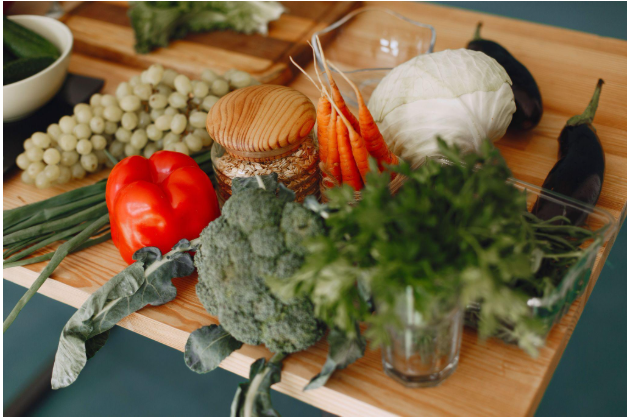

Growing children require a varied diet that meets their changing nutritional requirements. Selecting the right ingredients in their diet can make everyday meals more nutritious. In simple recipes, you can easily include grains, dairy, eggs and other wholesome options so children can enjoy their food. Including healthy drinks for kids is also a great idea to add a variety to daily food choices.
From breakfast to dinner, making healthy choices helps children follow a healthy eating routine. Read on to know more.
Why are Vitamin-Rich Foods Important for Kids?
Kids require essential vitamins to grow and develop properly. These nutrients support bone development, healthy vision, immunity and proper body function. Eating a well-balanced diet that includes vitamin-rich foods helps meet these nutritional needs.
You can make meals healthier by including fruits, vegetables, whole grains, dairy, and eggs. Balanced meals with healthy drinks support overall nutrition and help children build healthy eating habits.
Top Vitamin-Rich Foods Kids Need and Their Best Sources
Vitamin A
Vitamin A helps to maintain vision, immunity and normal growth. It also helps maintain healthy skin and tissues. You can provide these vitamins to your child by adding colourful vegetables and fruits to everyday meals.
Best Food Sources: carrots, pumpkin, sweet potatoes, spinach, mangoes, papaya, eggs and dairy products.
Vitamin C
Vitamin C strengthens the immune system and helps the body produce collagen, which is essential for skin and tissues. It also allows the body to absorb iron from plant-based foods.
Best Food Sources: guava, oranges, amla, lemons, strawberries, papaya, tomatoes and bell peppers.
B- Vitamins (B1, B2, B6, B12, Folate)
B vitamins help convert food into energy and support normal brain function, growth and red blood cell formation. Vitamin B12 is beneficial for the nervous system, while folate is useful for cell growth and development.
Best Food Sources: Fruit, vegetables (except leafy green vegetables), meat and fish, eggs, milk, yoghurt, pulses, beans, nuts or seeds.
Vitamin D
Vitamin D helps absorb calcium and builds healthy bones and teeth. It also helps maintain normal muscle function and immune function. Food sources can complement the vitamin D produced when skin is exposed to sunlight.
Best Food Sources: milk and dairy products, egg yolks, fatty fish and fortified foods.
Vitamin E and K
Vitamin E: It is an antioxidant and helps in normal immune function and building up healthy cells.
Best Food Sources: Almonds, peanuts, sunflower seeds, avocado and vegetable oils.
Vitamin K: It supports normal clotting of blood and helps build healthy bones.
Best Food Sources: Spinach, broccoli, cabbage, kale and various leafy green vegetables.
Easy Ways to Include More Vitamins in a Kid’s Meal
Here are some easy tips to try to include more vitamins in a kid’s meal.
Add Colour to Every Meal
Include fruits and vegetables in a variety of colours. Meals can be more appealing by using carrots, spinach, tomatoes, oranges and berries. A colourful plate provides a variety of nutrients.
Combine Different Food Groups
Make nutritionally balanced meals using vegetables, fruit, whole grains, protein and dairy. For instance, use yoghurt with vegetable paratha or vegetables with dal & rice. This makes the food more nutritious and brings variety.
Turn Snacks Nutritious
Make it a habit to replace highly processed snacks with healthy options. Choose fresh fruits, yoghurt, boiled eggs, nuts and homemade vegetable snacks. Select options based on the child’s age and food preferences.
Keep Meals Kids-Friendly
Use familiar ingredients and simple preparations. Then cut fruits and vegetables into fun shapes, or add them to foods kids enjoy. Introduce new foods slowly to your child’s diet without making it stressful.
Conclusion
Everyday meals can be more nutritious with healthy ingredients for growing children. Including a variety of wholesome foods makes meals interesting and builds good eating habits. Parents should gradually introduce new foods and keep meals simple. Balanced portions are also important, as children’s nutritional needs change with age. With proper meal planning, children enjoy nourishing meals that support their growth and development.


