

When it comes to professional mold remediation, it isn’t just about slapping bleach on a spot and calling it done—especially in South Florida, where humidity turns every unresolved moisture issue into a recurring nightmare. The real work follows structured steps to eliminate the growth, kill spores, and stop the cycle from restarting. Here’s how it’s actually handled, from small patches to major infestations, drawing from EPA guidelines, IICRC S520 standards, and Florida-specific practices.
First, fix the moisture source—no exceptions. Mold won’t die permanently if water keeps coming in. In Florida homes, this means repairing leaky roofs, plumbing, AC condensate drains, or poor grading that lets stormwater pool against foundations. Professionals use moisture meters, infrared thermography, and sometimes borescopes to find hidden intrusions behind walls, in attics, or within slabs. Until that’s resolved, remediation is just temporary theater. Florida’s Department of Health stresses keeping indoor relative humidity below 60% (ideally under 50%) long-term—often with permanent dehumidifiers or better AC sizing—to prevent recurrence in our climate.
Next comes assessment and containment. For anything beyond a tiny visible patch (EPA guideline: under ~10 square feet), pros set up containment barriers—polyethylene sheeting sealed with tape—to create negative-pressure zones using HEPA-filtered negative air machines or air scrubbers. This captures airborne spores and prevents cross-contamination to clean areas of the house. Signs warning of active remediation go up at entrances, and HVAC systems serving the area are often shut down (with supplemental humidity control added if needed).
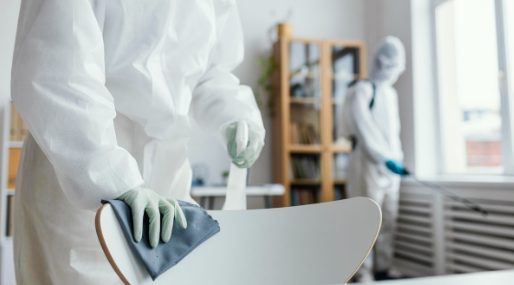
Personal protective equipment is non-negotiable: N95 respirators (or better, half-face respirators with P100 filters), gloves, disposable Tyvek coveralls, and eye protection. Spores become airborne during disturbance, and breathing them in is the fastest way to health issues—especially for anyone with asthma, allergies, or compromised immunity.
The core removal phase depends on the material and follows IICRC S520 protocols:
- Non-porous surfaces (tile, metal, glass, sealed concrete): Scrub with detergent and water, then apply an EPA-registered antimicrobial or fungicide. Mold doesn’t penetrate deeply here, so thorough cleaning usually suffices.
- Semi-porous (unfinished wood, concrete block): Sand, wire-brush, or HEPA-vacuum after initial cleaning. Some wood can be treated with penetrating borate-based solutions that inhibit regrowth without full replacement.
- Porous materials (drywall, insulation, carpet, ceiling tiles, fabric upholstery): These often get removed entirely. Mold hyphae grow deep into fibers and can’t be fully cleaned or killed. Cut out affected sections plus a buffer zone (typically 12 inches beyond visible growth), double-bag in heavy plastic, and dispose of it as construction waste. Wet methods or HEPA-shrouded tools minimize dust during cutting.
After mold removal, cleaning and antimicrobial treatment follow. HEPA vacuums capture residual spores, then surfaces get wiped or fogged with registered products—hydrogen peroxide-based, botanical, or quaternary ammonium options are popular in Florida for being less harsh than bleach (which doesn’t penetrate well and can damage materials). Avoid painting or caulking over moldy surfaces—clean and dry first.
Drying is critical and often the longest phase in humid Florida. Industrial-grade dehumidifiers (LGR models work best here) and high-velocity air movers run until materials reach safe moisture content (e.g., wood below 15–16%, drywall below 1% moisture meter reading). This can take 3–7 days or more after flooding. Monitor with hygrometers and moisture meters daily.
Finally, post-remediation verification. For larger jobs, Florida-licensed mold assessors (required by state law for projects over certain thresholds) perform clearance: visual inspection, plus air and surface sampling to confirm spore levels match normal indoor background. Only then is reconstruction allowed—new drywall, paint with mold-resistant primers, etc. Independent third-party verification is the gold standard per IICRC updates.
DIY mold removal methods are realistic only for small, surface-level spots on hard materials with no hidden damage, no health-vulnerable occupants, and a clearly fixed moisture issue. Anything larger, behind walls, in HVAC systems, after flooding, or in condos/apartments? Call licensed pros—Florida statutes (Chapter 468) regulate assessors and remediators, and insurance often requires documented protocols matching EPA/IICRC standards.
When it’s done right, mold remediation doesn’t just erase mold—it rebuilds a home that’s hostile to future growth. In Florida, where the air itself carries moisture year-round, that’s the only approach that lasts.