
For most homeowners, movement beneath a property does not begin with a dramatic event. It usually starts quietly, with small changes that are easy to ignore at first. A door that sticks. A crack above a window. A slight slope in the floor. Taken separately, these signs may seem harmless. But when several appear together, especially cracks in walls, they can indicate movement in the ground beneath your home.
Subsidence happens when the soil below a property loses support or moves unevenly, causing part of the building to settle. This can affect walls, floors and openings. Recognising the signs early makes it easier to investigate the cause and decide whether action is needed.
Here are five common signs that may suggest your home is experiencing ground movement.
- Cracking in walls, especially around doors and windows
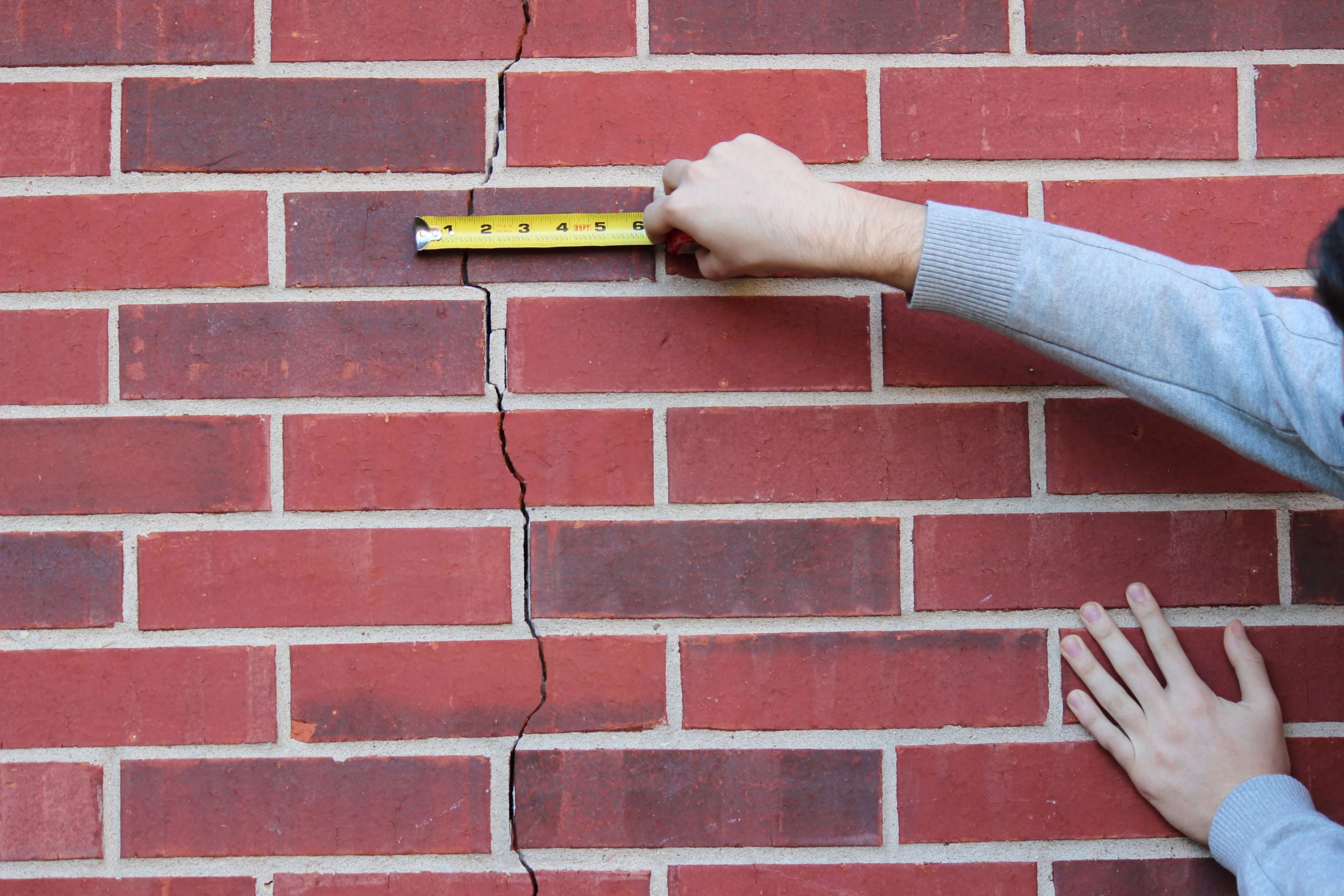
One of the earliest warning signs is visible cracking around doors, windows and corners. In brick properties, stepped cracking in mortar joints can also appear.
However, diagonal cracks, widening gaps or damage that returns after repair deserve closer attention, as they may reflect uneven settlement below the foundations.
- Doors and windows that suddenly stick
If doors or windows become difficult to open or close, frames may have shifted slightly. A door that once worked normally may begin to catch, or windows may fail to latch properly. Together with other warning signs, this can indicate the building is no longer sitting evenly.
- Cracks or separation outside the house
Movement often appears externally as well as indoors. You may notice cracks in brickwork, separation between an extension and the main house, or gaps where walls meet paths or patios. When external damage matches internal movement in the same area, the issue may go beyond a cosmetic defect.
- Sloping floors or local sinking around the property
Subtle level changes are sometimes overlooked. Floors may slope slightly, tiles may crack or skirting boards may separate. Outside, patios or pathways may begin to sink or pull away from the house.
These changes can point to reduced support beneath slabs or foundations.
- Damage that becomes worse over time
A single defect is not always cause for concern. What matters is whether the damage progresses. If cracking becomes wider, doors become harder to close or repairs repeatedly fail, the pattern may suggest ongoing movement rather than a one-off change.
Subsidence is often identified not only by the type of damage but by how it develops over time.
What causes ground movement in residential properties??
There is no single cause. Ground movement can result from shrink-swell clay soils, leaking drains, poorly compacted fill, local voids or long-term moisture changes beneath foundations. Similar symptoms can have different origins, which is why proper diagnosis matters.
Why cosmetic repair is not enough
When homeowners notice cracks in walls, the natural instinct is to fill and repaint them. But if movement is still active, cosmetic repair alone will not solve the issue.
Identifying whether the issue is superficial or structural, stable or progressive, is the key first step.
How Geosec UK approaches residential subsidence
At Geosec UK, the focus is on understanding and stabilising ground-related movement with minimal disruption, restoring support below the structure rather than relying only on surface repair.
When should you take action?
You should seek advice if:
- Cracks are diagonal, widening or recurring.
• Doors and windows start sticking without explanation.
• Internal and external damage appears in the same area.
• Patios, paths or floors show signs of sinking.
• Defects clearly worsen over time.
Most homes settle slightly during their lifetime, which is normal. But when several warning signs appear together, especially sticking doors and visible distortion, it is worth taking them seriously. Subsidence is not always dramatic at first, but early investigation helps protect both the structure and your peace of mind.