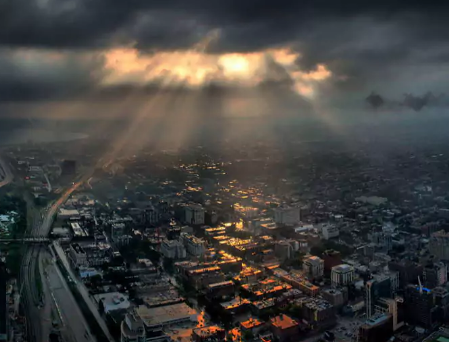

Most people imagine blackouts as short, loud events—sirens, candles, maybe a few hours of inconvenience.
Honestly, that’s rarely how it plays out. Real outages stretch. They settle in.
After storms, heat waves, cyber incidents, or plain old equipment failure, the grid doesn’t bounce back evenly.
So what would you actually do if that hum stopped for hours, days, or longer?
Preparation starts
Honestly, the first step isn’t buying anything. It’s paying attention. Walk through your day and notice what silently draws power.
The fridge hums. The modem blinks. Phones sip electricity all day long. A laptop charger stays warm even when nothing’s plugged in.
When the grid fails, you don’t need to power everything. You need to power the right things. That mindset shift matters.
Emergency readiness isn’t about replicating normal life; it’s about maintaining function and comfort where it counts.
This small exercise changes how you prepare—and how much stress you feel when things go dark.
Energy
When the lights go out, the first question is always energy. Not the kind you drink from a can, but the kind that keeps your essentials running.
Traditionally, people rely on gas generators, but honestly, they’re noisy, require constant refueling, and aren’t exactly ideal indoors.
What’s catching on now are compact, portable energy solutions that run cleanly and quietly—portable power stations.
These devices can power lights, charge devices, and even run small appliances, keeping life functional while the grid is offline.
Water access
In many homes, water flows because electricity makes it flow. Pumps need power.
Treatment plants need power. During extended outages, even municipal systems can falter.
I’ve always treated water as a layered system. Some stored. Some filtered.
Some boiled if needed. You don’t need extremes, just options. Even a short outage can interrupt supply long enough to catch you off guard.
Light
The first night without power hits differently. Shadows feel heavier. Rooms feel unfamiliar. Flashlights help, but harsh beams get old fast.
Soft, ambient lighting matters more than most people admit. Lanterns, headlamps, even battery-powered string lights can change how a space feels.
You’re not just seeing better; you’re calming your nervous system. That matters when outages stretch longer than expected.
Candles get romanticized. They also tip over. Use them carefully, or not at all.
Communication
When the grid fails, information becomes currency. Phones die. Cell towers get congested. Internet routers sit useless, mocking you.
Preparedness here isn’t complicated. It’s layered. Charged power banks, radios that don’t rely on wall outlets, a plan for checking in with family.
Sometimes it’s as simple as agreeing ahead of time where to meet or how long to wait before worrying.
Medical
This is the serious part, so let’s keep it clear.
Many households rely on powered medical equipment, refrigerated medications, or mobility aids. For them, outages aren’t inconvenient; they’re dangerous.
Preparedness here isn’t optional. Hospitals do this planning obsessively for a reason. Homes should borrow that mindset, scaled down.
The calm confidence that comes from knowing essential health needs stay covered is priceless. It removes fear from the equation.
Outdoor skills
Campers already know how to manage limited power, conserve resources, and stay calm when plans change.
Cooking with minimal gear. Charging devices thoughtfully. Using daylight efficiently. These habits slide seamlessly into home life during outages.
Honestly, a weekend camper often adapts faster than a suburban homeowner who’s never boiled water outside.
Preparedness borrows heavily from outdoor thinking—lightweight, flexible, redundant.
Final Thoughts
Power outages are inconvenient at best, life-threatening at worst. Preparing doesn’t mean living in fear; it means living with awareness and control.
Preparation, water, food, communication, and having a reliable, compact energy source like an ALLPOWERS Power Station can make all the difference.
With thoughtful planning and the right tools, the next blackout can be an opportunity to test your readiness, rather than a crisis that catches you flat-footed.